 blog
Is Medical Skincare Worth the Cost? A Clear Breakdown
Last Updated: October 26, 2026
Quick Summary
Medical skincare is worth the cost for targeted concerns like persistent acne, hyperpigmentation, and fine lines, where professional products and guidance often justify the price. For simple maintenance, drugstore skincare can be enough. The honest answer depends on your skin and your commitment.
- Medical-grade skincare has no legal definition in the United States and is not an FDA category.
- Professional routines cost roughly $1.50 to $5.00 per use versus $0.50 to $2.00 for drugstore.
- Acne takes four to eight weeks of consistent use to show visible improvement.
- Start with one product for your main concern and add the next after several weeks.
- Spend on sunscreen and consistency first, actives second, and premium formulations third.
Table of Contents
- What Medical-Grade Skincare Actually Means
- Medical-Grade Skincare vs. Over-the-Counter Skincare
- Why Medical Skincare Costs More Upfront
- Medical-Grade Skincare for Acne-Prone Skin
- How Long Medical-Grade Skincare Takes to Work
- When an Over-the-Counter Routine Is Enough
- Risks, Irritation, and Starting Safely
- Building a Skincare Plan With House of D
- Frequently Asked Questions
What Medical-Grade Skincare Actually Means
The short answer: "medical-grade skincare" has no legal definition in the United States. The FDA regulates skincare products as cosmetics or drugs, and it does not recognize a separate "medical-grade" category.
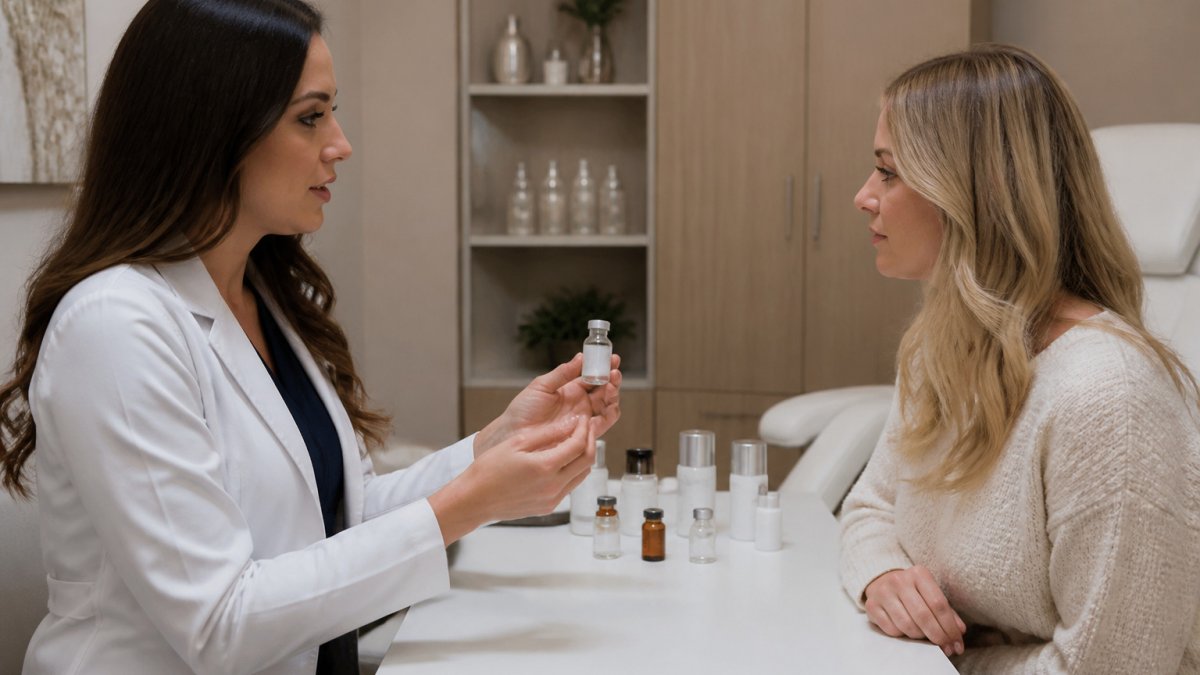
At House of D, LLC, we use the phrase to describe professional skincare lines dispensed under guidance, not a regulatory stamp of approval. That distinction matters more than most buyers realize.
How the Term Is Regulated (and What It Doesn't Guarantee)
Nothing in federal law defines "medical-grade." The FDA's guidance on cosmetics versus drugs explains that a product is a drug only if it makes claims to treat or prevent disease or change the body's structure.
That means the phrase is marketing language. It does not certify purity, potency, or clinical testing. What it often does signal: the product is sold through a professional, may contain prescription-strength ingredients, and comes with a consultation.
Medical-Grade Skincare vs. Over-the-Counter Skincare
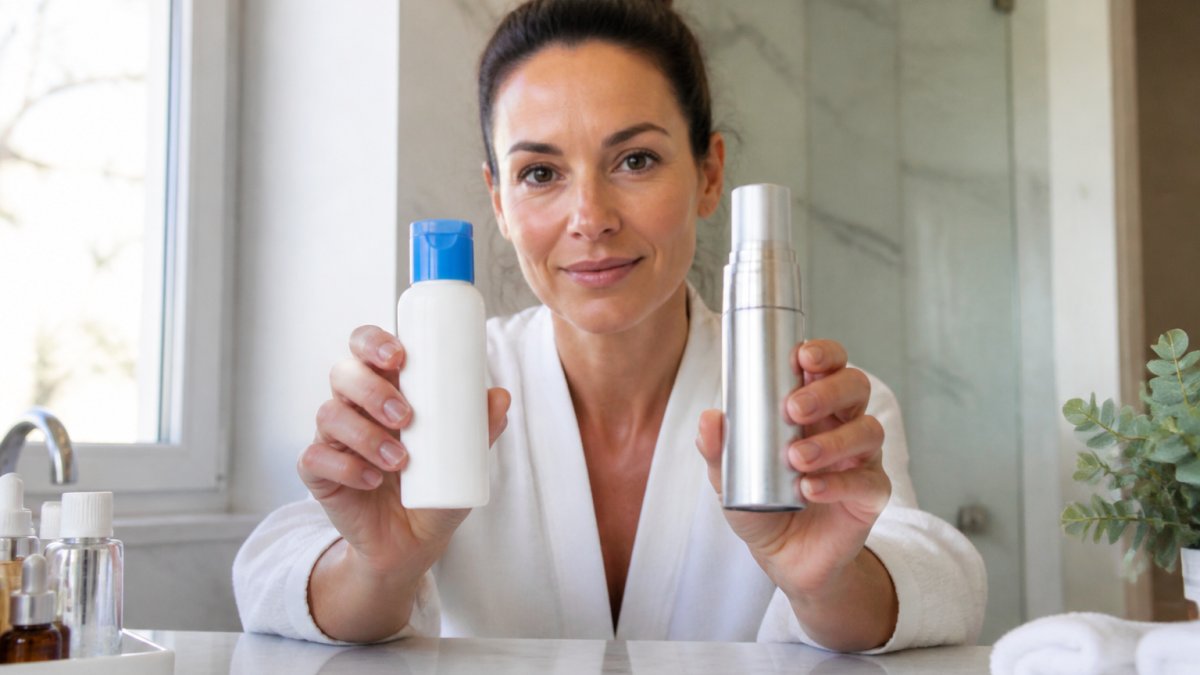
Medical-grade skincare and over-the-counter skincare differ mainly in ingredient concentration, formulation, and how they reach you. Professional lines often carry higher percentages of actives like retinol, vitamin C, and acids.
Neither category wins outright. The right choice depends on your skin, your goals, and your budget.
Ingredient Concentration, Formulation, and Absorption
Higher concentration can mean more results, and more irritation. A stronger retinol may smooth fine lines faster, but it can also cause peeling if you start too fast.
Bioavailability and penetration are the technical terms, and they explain why two products with the same ingredient can perform differently. A well-formulated drugstore serum can beat a poorly formulated premium one. That is why ingredient transparency matters more than the label on the box.
For a deeper look at which ingredients actually deliver, see our breakdown of medical-grade skincare for wrinkles.
Why Medical Skincare Costs More Upfront
Premium products cost more for real reasons: higher active concentrations, smaller production runs, stability testing, airless or opaque packaging that protects actives, and the professional guidance bundled with the purchase.
The upfront cost is the number people see. The number that matters is cost per use. Most buyers never run this math, which is exactly why the "is it worth it" question stays fuzzy.
Cost Per Use and How Long a Product Lasts
Cost per use is simple arithmetic: price divided by the number of applications in the container. The hard part is estimating applications honestly. A few working rules most practitioners use:
- Serum: roughly 3-5 drops per application, or about 0.5-1 mL. A 30 mL bottle therefore yields roughly 30-60 applications, about one to two months at once daily.
- Moisturizer: about 0.5-1 g per application. A 50 g jar yields roughly 50-100 applications, or two to three months.
- Retinol or treatment: a pea-sized amount, about 0.25-0.5 g. A 30 g tube can last three to five months at two to three nights per week.
Those ranges are estimates, not guarantees. Pump vs. dropper, how generously you apply, and how many times a day you use a product all move the number. But they let you compare products on the same footing instead of on sticker price alone.
Here is a worked comparison using representative price bands rather than any single brand:
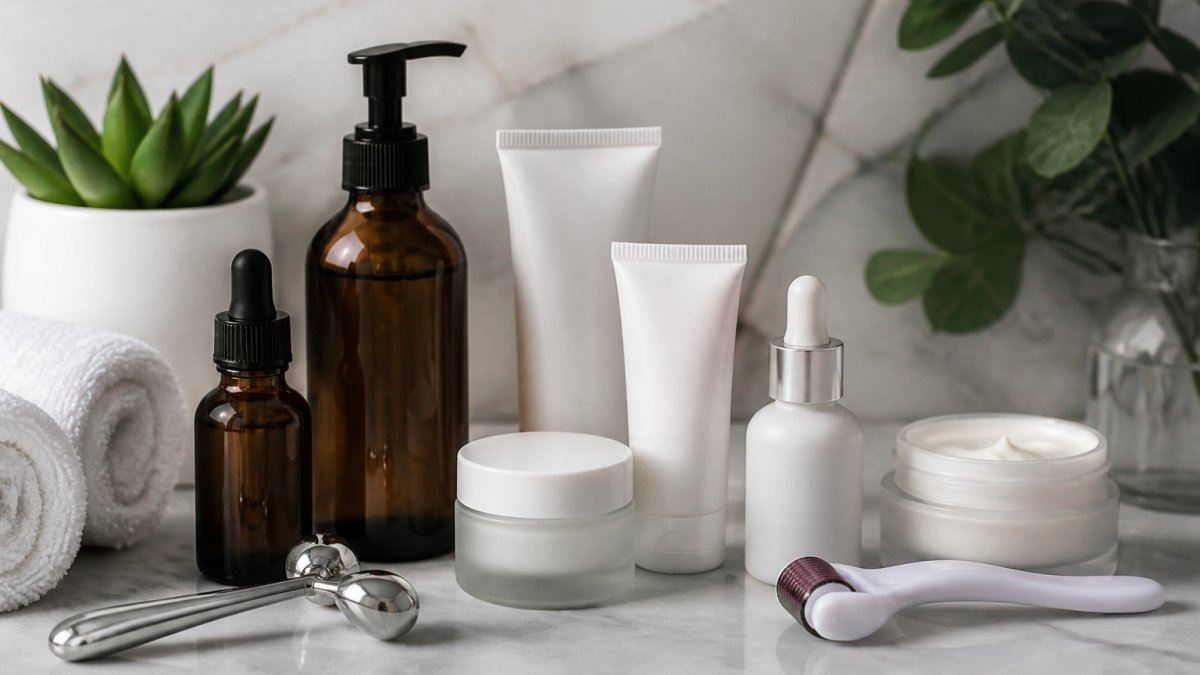
| Factor | Drugstore Routine | Professional Routine |
|---|---|---|
| Cleanser (per bottle) | $8-$15 | $25-$45 |
| Moisturizer (per jar) | $12-$25 | $45-$90 |
| Treatment serum (per bottle) | $15-$30 | $60-$150 |
| Sunscreen (per bottle) | $10-$20 | $30-$50 |
| Estimated routine total | $45-$90 | $160-$335 |
| Estimated applications per product | 40-100 | 40-100 |
| Estimated cost per use (routine) | roughly $0.50-$2.00 | roughly $1.50-$5.00 |
| Guidance included | Rarely | Usually a consultation |
| Best for | Simple maintenance | Targeted concerns |
The gap is real, but it is narrower than the sticker prices suggest, and it widens or closes depending on how many products you actually need.
What the Price Actually Buys
It helps to separate the components of the premium price:
- Active concentration and stability: higher percentages and packaging that protects light- and air-sensitive ingredients cost more to formulate and ship.
- Testing: finished-product stability and compatibility testing add cost that mass-market lines spread across far larger volumes.
- Distribution: professional channels carry smaller volumes and often require practitioner accounts, which adds margin layers.
A product can be worth its price on the first four and overpriced on the fifth. That is why the label alone tells you little, the cost-per-use math plus the guidance is what you are actually evaluating.
For a deeper look at which ingredients actually deliver, see our breakdown of medical-grade skincare for wrinkles.
Medical-Grade Skincare for Acne-Prone Skin
Acne-prone skin is where professional guidance earns its keep. Prescription-strength ingredients like higher-percentage retinoids and benzoyl peroxide can outperform drugstore versions for stubborn breakouts. The trade-off is irritation, so these products need a careful ramp-up.
A common mistake is layering several strong actives at once. You can view the Skinmedica Acne Clarifying Treatment to see a medical-grade acne product option.
How Long Medical-Grade Skincare Takes to Work
Expect weeks, not days. Most active ingredients need time to change how skin behaves.
- Hydration and texture: a few days to two weeks
- Acne: four to eight weeks for visible improvement
- Hyperpigmentation: eight to twelve weeks, sometimes longer
Consistency decides the outcome. A product used twice a week will not deliver the same results as one used as directed.
When an Over-the-Counter Routine Is Enough
Not everyone needs a professional line, and saying so plainly is part of an honest answer. The useful question is not "premium or drugstore" in the abstract, it is which concerns actually respond to higher concentrations and which are already well served by a simple, well-formulated routine.
A Concern-by-Concern Guide
Use this as a starting framework, not a diagnosis. Severity matters more than the label on any product.
- Cleansing, moisturizing, sun protection (mild, no active concern): An over-the-counter routine is usually sufficient. A gentle cleanser, a moisturizer suited to your skin type, and a broad-spectrum sunscreen with SPF 30 or higher cover the basics. Premium products add little here beyond texture and experience.
- Mild acne (occasional breakouts, few inflamed lesions): Over-the-counter salicylic acid (typically 0.5-2%) or adapalene 0.1%, available over the counter, plus benzoyl peroxide can be enough for many people. Step up to professional or prescription options when breakouts are persistent, cystic, or scarring.
- Moderate to severe acne, or acne that scars: This is where professional guidance and prescription-strength retinoids or other treatments earn their cost. Over-the-counter products alone often stall here.
The Decision Test
Before spending more, run three quick checks:
- Is your current routine consistent? If you are not using a basic routine daily, a premium product will not fix that. Consistency beats concentration.
- Is your concern mild and stable, or persistent and worsening? Mild and stable usually means over-the-counter is enough. Persistent or worsening is a signal to get professional guidance.
- Have you tried the over-the-counter version of the same active? If a drugstore retinol or salicylic acid has not been given a fair trial of several weeks, try that first. If it has and you have plateaued, stepping up is reasonable.
When to Skip the Premium Route
Skip the premium route, at least for now, if any of these apply:
- Your routine already works and your concern is mild.
- You are not ready to use actives consistently, professional skincare rewards commitment, and without it you pay more for the same result.
- Irritation is a recurring problem; a simpler routine is the safer starting point.
None of this means premium products are never worth it. It means the honest answer depends on your concern, its severity, and your willingness to use the product as directed. For targeted concerns like persistent acne, stubborn pigmentation, and deeper lines, professional products and guidance often justify the price. For simple maintenance, drugstore skincare can be enough.
Risks, Irritation, and Starting Safely
Stronger actives carry real risks: redness, peeling, dryness, and a damaged skin barrier if you overdo it. Sensitive skin needs an even slower start. Introduce one product at a time, use a gentle moisturizer, and wear sunscreen daily, since retinoids and acids increase sun sensitivity.
Watch out: mixing prescription-strength actives with harsh scrubs or DIY treatments can cause irritation that sets your progress back by weeks. If your skin reacts badly, stop and get professional advice rather than pushing through.
Building a Skincare Plan With House of D
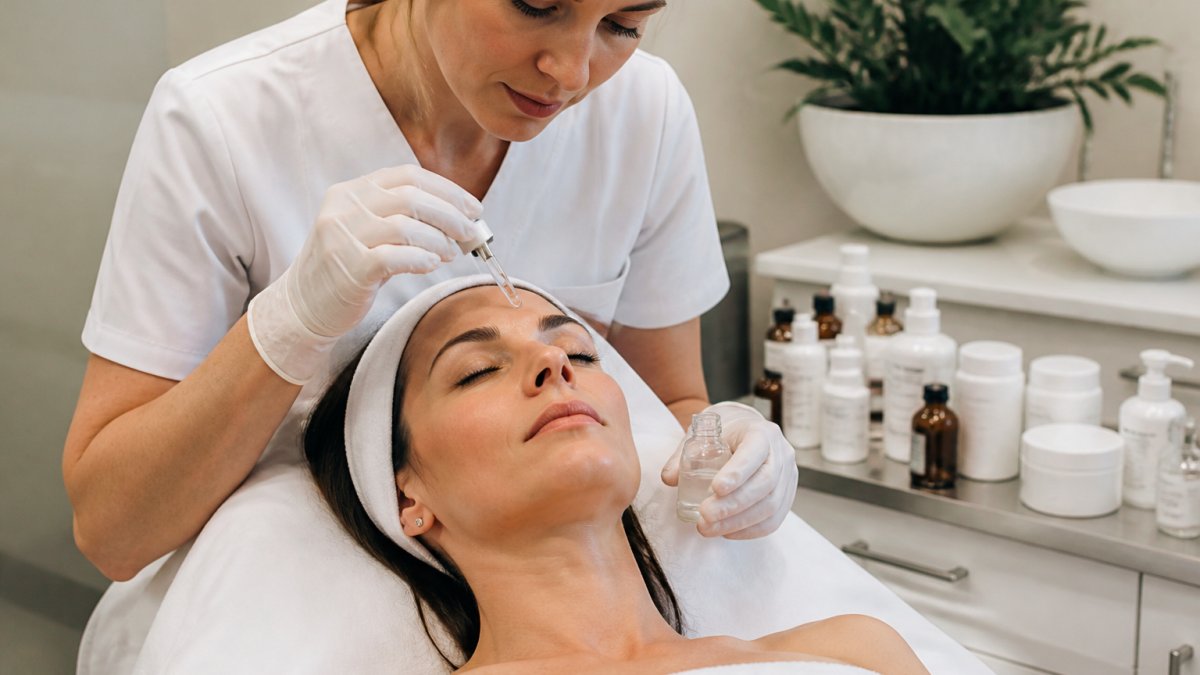
A personalized plan beats a random product haul. You can browse our full skin care line to see what we carry, or book a skin care consultation to get a plan matched to your goals and budget.
So is medical skincare worth the cost? For targeted concerns like acne, hyperpigmentation, and fine lines, professional products and guidance often justify the price. For simple maintenance, drugstore skincare can be enough.
Frequently Asked Questions
Does more expensive skincare actually work better?
Price alone doesn't determine results. What matters is whether a formula contains evidence-based active ingredients at concentrations shown to work, and whether the formulation delivers them into the skin. Some drugstore products use the same actives as professional lines at lower concentrations. Medical skincare often costs more because of higher active levels, more expensive delivery systems, and smaller production runs. The honest test is the ingredient list and clinical research behind the specific formula, not the price tag. A consultation with a qualified professional can tell you which actives your skin concerns actually need.
What makes medical-grade skincare different from over-the-counter products?
The main differences are ingredient concentration, formulation quality, and how the product is sold. Over-the-counter skincare is available without guidance and generally uses lower concentrations of actives to suit unsupervised use. Medical-grade lines are typically dispensed through a dermatologist, esthetician, or medical spa, where someone assesses your skin type and concerns first. That guidance matters: a stronger formula used incorrectly can irritate the skin barrier. Note that medical-grade is a marketing term, not a regulated category, so ask what evidence supports the specific product's claims.
How long does medical-grade skincare take to show results?
Most routines need eight to twelve weeks before you can judge them fairly, because skin cell turnover runs on roughly a monthly cycle. Hydration and texture often improve within two to four weeks, while hyperpigmentation, fine lines, and acne take longer, sometimes three to six months. Medical-grade formulas may work faster because of higher active concentrations, but that also raises the risk of irritation if you start too aggressively. Take photos in consistent lighting every few weeks so you can measure change objectively instead of relying on memory.
Is medical-grade skincare worth it for sensitive or acne-prone skin?
It can be, but only with a careful introduction. Sensitive and acne-prone skin often benefits from professional guidance because the wrong active or a concentration that's too high can trigger breakouts, redness, or a damaged skin barrier. A common approach is one new product at a time, every two to three weeks, starting at the lowest frequency your provider recommends. If your skin stings, flakes, or worsens, stop and check in before continuing. For mild concerns, a simple over-the-counter routine with a gentle cleanser and moisturizer may be all you need.
The real question is not whether premium skincare costs more, but whether your routine is built for your skin. House of D, LLC offers medical-grade products, personalized wellness plans, and professional guidance to help you address fine lines, wrinkles, and skin health with a routine you can actually maintain. Get started with House of D, LLC and build a plan that earns its cost.