 ultimate-guide
How to Understand Medical Spa Facial Treatment Cost in 2026
Last Updated: November 4, 2026
Quick Summary
Medical spa facial treatment cost in 2026 has no single national price; your quote reflects the treatment type, provider credentials, location, products used, and number of sessions required. Because quotes for the same facial vary widely, compare itemized written quotes line by line rather than headline prices.
- HydraFacial Signature typically runs $150-$250 per session for 30-45 minutes.
- A $60 dermaplaning add-on on a $200 facial makes the visit $260, not $60.
- Cosmetic facials are generally self-pay, as health insurance typically does not cover appearance-focused treatments.
- Ask each provider about deposits, cancellation fees, package expiry, memberships, and financing before committing.
- Confirm expected downtime in writing and plan sessions around your schedule, not before major events.
Table of Contents
- Medical Spa Facial Treatment Cost in 2026: What Actually Drives the Price
- Facial Pricing by Type: A Like-for-Like Comparison
- The Average Cost of Chemical Peels in 2026
- Medical Grade Facial Benefits and What You Pay For
- Medical Spa Treatment Recovery Time and How It Affects Total Cost
- Total Cost Over a Treatment Plan: Packages, Add-Ons, and Maintenance
- How to Choose a Medical Spa: Price Transparency and Provider Qualifications
- Book a Skin Assessment at House of D to Get an Accurate Quote
- Frequently Asked Questions
Medical Spa Facial Treatment Cost in 2026: What Actually Drives the Price
Working out the medical spa facial treatment cost in 2026 starts with one uncomfortable truth: there is no single national price for a facial.
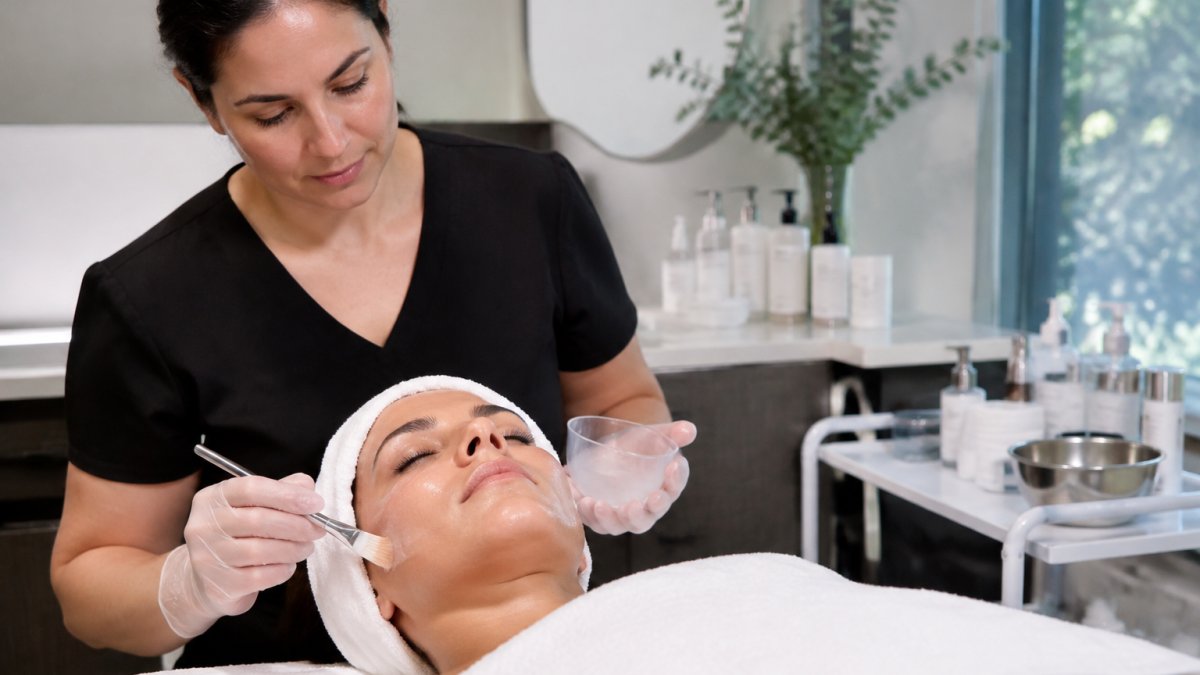
A medical facial is a treatment performed under clinical supervision that combines deeper exfoliation, extraction, or device-based steps with medical-grade skincare. That clinical layer is the main reason the price sits above a standard spa facial.

Why Quotes for the Same Facial Vary So Much
Two clinics can quote very different numbers for what sounds like the same treatment, and both can be honest. The gap usually comes down to five variables:
- Provider type: a physician, nurse injector, or licensed aesthetician each carries different overhead and supervision costs.
- Products and devices: medical-grade formulations and branded device platforms cost more to stock than cosmetic lines.
- Time and complexity: a 30-minute express facial and a 90-minute multi-step protocol are not comparable.
- Geography: rent, labor, and licensing costs shift pricing between metro and suburban markets.
- Consultation and follow-up: some quotes bundle a skin assessment and post-treatment check-in, others do not.
The practical takeaway is to compare quotes line by line, not headline to headline. Ask what is included before you compare two numbers.
Facial Pricing by Type: A Like-for-Like Comparison
Comparing facial pricing only works when you match treatment to treatment. A deep cleansing facial, an anti-aging facial, and a microneedling session are different services with different time, skill, and device requirements, so their prices should not be judged against each other directly. The table below puts the most common medical spa facials side by side with typical 2026 price ranges, session length, intended concerns, and what is normally included, so you can compare quotes on equal footing.
| Facial Type | Typical 2026 Price Range (per session) | Session Length | Intended Concerns | What Is Typically Included |
|---|---|---|---|---|
| HydraFacial (Signature) | $150-$250 | 30-45 min | Congestion, dullness, hydration | Cleanse, exfoliation, extraction, hydration, basic serum |
| HydraFacial (Deluxe/Platinum) | $250-$450 | 60-90 min | Texture, tone, puffiness | Signature steps plus boosters, LED, lymphatic drainage |
| Acne facial | $125-$250 | 45-60 min | Active breakouts, inflammation | Deep cleanse, extraction, anti-inflammatory topicals, sometimes blue light |
| Anti-aging facial | $200-$400 | 60-75 min | Fine lines, firmness, collagen support | Peptides, growth-factor products, sometimes microcurrent or LED |
| Brightening facial | $150-$300 | 45-60 min | Pigment, uneven tone | Light peel, vitamin C, light therapy |
| Dermaplaning (standalone) | $75-$150 | 30-45 min | Peach fuzz, texture, product absorption | Physical exfoliation and hair removal |
| Dermaplaning (add-on) | $40-$80 | 15-20 min | Same as above | Added to another facial |
| Microdermabrasion (standalone) | $100-$200 | 30-45 min | Texture, superficial resurfacing | Crystal or diamond system, one pass |
| Microdermabrasion (add-on) | $50-$100 | 15-20 min | Same as above | Added to another facial |
| Chemical peel (light) | $100-$200 | 20-30 min | Tone, congestion, dullness | Mild acid, brief application, post-care instructions |
| Chemical peel (medium) | $200-$400 | 30-45 min | Pigment, texture, fine lines | Stronger acid, clinical supervision, recovery guidance |
| Microneedling | $250-$500 | 60 min | Texture, scarring, firmness | Numbing, device passes, serums, post-care |
HydraFacial, Acne, Anti-Aging, Dermaplaning, and Microdermabrasion
Facial pricing generally varies by treatment tier, with higher tiers adding more steps, devices, or products. Clinical treatments such as acne care may carry a premium because they involve extraction and supervised topicals. Pricing for any specific tier should be confirmed directly with the provider.
Dermaplaning and microdermabrasion are frequently priced as add-ons rather than standalone treatments, which makes them look cheap on a menu but changes the total when bundled. If you are weighing specific services, you can view our microneedling treatment details to see how a device-based facial is structured.
Watch out: some quotes exclude items such as numbing cream, post-treatment products, or a consultation fee. Ask for the all-in price for your first visit before you compare it to another provider's quote.
The Average Cost of Chemical Peels in 2026
Chemical peel pricing generally depends on strength and provider level. A light peel uses a mild acid and typically involves minimal downtime, while medium and deeper peels usually require more clinical supervision and a recovery period.
Peels are also where package pricing matters most. A single light peel gives a modest result; a series spread over several weeks is the standard approach for tone and texture concerns. If you want to see how a peel package is actually structured, our Illuminize Chemical Peel 3 Pack shows a real example of series-based pricing.
Medical Grade Facial Benefits and What You Pay For
Medical-grade facials are generally associated with clinical oversight and treatment plans built around an individual's skin. Medical-grade products are typically selected after a skin assessment rather than chosen from a shelf.
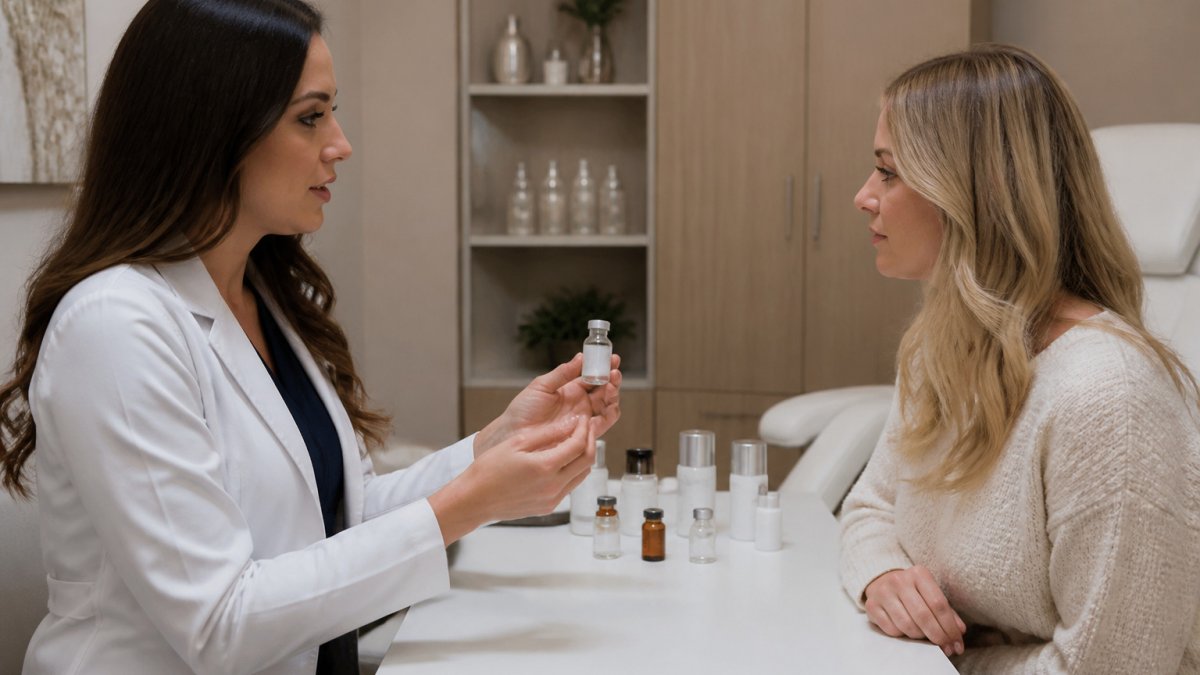
That assessment is the part most price lists hide. A proper consultation identifies your skin type, your primary skin concern, and any contraindications before a single product is applied. It is also what separates a treatment that suits your skin from one that irritates it. If you are questioning whether the premium is justified, our breakdown of whether medical skincare is worth the cost examines the value question in more detail.
Medical Spa Treatment Recovery Time and How It Affects Total Cost
Medical spa treatment recovery time directly affects total cost, because downtime is a hidden expense.
Recovery varies by intensity. HydraFacial and dermaplaning typically involve little to no downtime. Light peels may cause mild flaking for a few days. Microneedling and medium peels usually involve redness and sensitivity for several days, and deeper resurfacing takes longer.
Watch out: booking an aggressive peel or microneedling session immediately before a major event is a common mistake. Visible peeling or redness on the day is difficult to cover and cannot be rushed.
Total Cost Over a Treatment Plan: Packages, Add-Ons, and Maintenance
The per-session price is rarely the real number. A treatment plan usually combines an initial series, add-ons, and ongoing maintenance, and that total is what you should budget for.
A simple framework for estimating the full commitment is:
- Series sessions: how many sessions the provider recommends before assessing results.
- Add-ons per visit: dermaplaning, LED, or booster serums that raise the per-session figure.
- Maintenance frequency: how often the result needs topping up to hold.
- Recovery costs: time away from work or events, if downtime applies.
- Home care: medical-grade products the plan depends on between visits.
Add those five lines and compare the total, not the first session. The gap between a lighter and a more intensive plan is usually the real cost decision, rather than the difference between two single sessions. Total the number of sessions, add-ons, maintenance visits, and home-care products to compare plans.
Insurance, Financing, and Payment Policies
Cosmetic facials are generally self-pay. Health insurance typically does not cover treatments whose purpose is appearance rather than treating a medical condition, and a clinic that bills insurance for a cosmetic facial is a red flag.
Payment policies vary widely and belong in your comparison. Ask each provider:
- Deposits: some providers require a deposit to hold an appointment, which may be applied to the visit or forfeited on late cancellation.
- Cancellation fees: check the provider's cancellation window and any fee that applies inside it.
- Packages: series pricing may offer a discount versus single sessions, but packages can expire and may be non-refundable.
- Memberships: some providers offer memberships; check what visits and discounts are included and whether unused visits roll over.
- Financing: third-party medical financing and buy-now-pay-later options exist; ask about interest, fees, and any in-house payment plans.
If the total needs to be spread out, ask about payment options before you commit; our payment plans page explains how financing is handled.
Watch out: a package with an expiry date can cost more per session than paying as you go if you cannot attend every visit. Confirm the expiry date and refund policy in writing before you prepay.
How to Choose a Medical Spa: Price Transparency and Provider Qualifications
Choosing a medical spa comes down to two tests: can they explain their pricing clearly, and can they prove who is performing the treatment? A clinic that will not itemize a quote, or that is vague about credentials, is a risk regardless of price.
Use this checklist when you evaluate any provider:
- The quote is itemized by session, add-on, and product
- The provider's license and supervising physician are stated
- A skin assessment happens before treatment is recommended
- Expected downtime and risks are explained in plain language
- Before-and-after examples are shown for your skin concern
- Package terms, expiry, and refund policy are in writing
- The plan includes a maintenance schedule, not just a one-off session
Matching a treatment to your skin needs matters as much as the price. Our guide on how to choose skin rejuvenation for mature skin walks through that matching process. For broader context on how these services are regulated and what credentials to look for, consult the official guidance from your state licensing board and the U.S. Food and Drug Administration.
Book a Skin Assessment at House of D to Get an Accurate Quote
Any facial treatment cost figure you read online is an estimate until someone has looked at your skin. The only accurate quote is the one built from a skin assessment, a stated treatment plan, and a written breakdown of what each session includes.
House of D, LLC offers medical-grade products and skincare with a focus on fine lines, wrinkles, and overall skin health. For a quote specific to your skin, contact House of D, LLC on its website to request a consultation.
Frequently Asked Questions
Are medical spa facials covered by health insurance?
Most health insurance plans treat medical spa facials as cosmetic and do not cover them. Coverage can apply when a facial is part of a diagnosed medical treatment, such as acne management, but that depends on your plan and your provider's documentation. Ask your insurer directly before booking, and ask the spa for an itemized quote so you can submit it for a coverage check. Many medical spas also offer payment plans or financing, so ask about those options at your consultation.
What factors influence the price of a medical-grade facial?
The biggest factors are treatment type, provider credentials, treatment duration, and location. Different treatment types fall into different price tiers, and treatments delivered under physician or nurse-practitioner oversight often cost more than esthetician-only services. Add-ons, upgrades, and the number of treatment areas also move the total. Regional pricing and facility overhead matter too, which is why two spas in different markets can quote very different numbers for the same facial name.
How often should you get a medical spa facial for optimal results?
Frequency depends on the treatment and your skin concern. Maintenance facials such as HydraFacial are often done every four to six weeks, while corrective treatments like chemical peels or microneedling usually follow a series spaced several weeks apart. Recovery time affects scheduling as well, since deeper treatments need more downtime between sessions. Your provider should map out a plan during your skin assessment, including how many sessions you need before deciding whether to continue.
What is the difference between a standard spa facial and a medical spa facial?
A standard spa facial focuses on cleansing, exfoliation, and relaxation, usually performed by an esthetician with cosmetic-grade products. A medical spa facial is performed under medical oversight and can include medical-grade products, chemical peels, dermaplaning, microdermabrasion, microneedling, or laser treatments. That higher level of care is a major reason facial treatment cost is higher at a medical spa. The tradeoff is a treatment plan built around your skin concern rather than a one-off relaxation service.