 ultimate-guide
How to Get the Benefits of Cellular Level Anti-Aging
Quick Summary
Cellular level anti-aging refers to treatments and habits that support how skin and body cells repair, renew, and protect themselves, aiming to slow visible and functional signs of aging. The most clearly supported benefits come from daily sun protection and topical retinoids, which can improve fine lines and texture over several months.
- Daily broad-spectrum sun protection is the most clearly supported step against premature skin aging.
- Topical retinoids have among the longest research records and take several months to show results.
- Many stem cell anti-aging products are not FDA-approved for cosmetic use, so ask about approval status.
- Evaluate any provider on evidence quality, regulatory status, sourcing, and realistic timelines before booking.
- Judge a skincare routine over several months rather than a few weeks, since results build slowly.
Table of Contents
- What Cellular Level Anti-Aging Means and How It Works
- Benefits That Have Solid Clinical Support
- Stem Cell Anti-Aging Treatment: Promise Versus Evidence
- Best Anti-Aging Treatments for Your 40s
- Building an Anti-Aging Skincare Routine That Supports Cellular Health
- How to Evaluate a Provider and Book Your First Consultation
- Frequently Asked Questions
What Cellular Level Anti-Aging Means and How It Works
Last Updated: November 8, 2026
Cellular level anti-aging refers to treatments and habits that aim to slow visible and functional signs of aging by supporting how individual skin and body cells repair, renew, and protect themselves. Cellular anti-aging is the practice of supporting cell repair, renewal and protection to slow visible signs of aging, using medical-grade products and professional treatments under clinical guidance.
Aging happens at the cell level. Over time, cells accumulate DNA damage, oxidative stress and inflammation, and their ability to repair and renew slows. The result shows up as thinner, less elastic skin, deeper wrinkles and slower recovery. Researchers describe these age-related changes in terms of biological age, which can differ from chronological age, though no single test defines it for every person.
How cellular aging and skin health are linked
Skin is one of the most visible places where cellular aging appears. Collagen and elastin fibers, which give skin its firmness and bounce, are produced by fibroblasts, and their output declines with age and with cumulative sun exposure. Oxidative stress from ultraviolet light and pollution can speed that decline. A practical approach therefore combines daily protection, such as broad-spectrum sunscreen, with ingredients that support cell turnover and barrier function.
Many people notice changes in their 30s and 40s, when collagen production slows and skin renews more slowly.
Benefits That Have Solid Clinical Support
The strongest evidence in this field supports fairly modest, well-defined benefits. Consistent daily sun protection is the most clearly supported step, because ultraviolet exposure is a major driver of premature skin aging. Topical retinoids, a family of vitamin A derivatives, have among the longest research records for improving fine lines, uneven texture and skin tone, though results take several months and can cause dryness or irritation at first. Many people find that starting at a low concentration and building up gradually makes the process more comfortable.
Clinical research on other treatments, including some energy-based devices and injectables, is more mixed in its reporting of outcomes and duration. A qualified clinician can explain which options suit a particular person's skin type, history and goals. For how to start addressing early lines, see How to Treat Early Fine Lines Before They Deepen.
The table below summarises the more clearly supported options the article describes, along with the time or caveat it notes for each.
| Option | Evidence level | Key note |
|---|---|---|
| Daily sun protection | Most clearly supported | Broad-spectrum protection against ultraviolet exposure |
| Topical retinoids | Long research record | Results take several months; dryness or irritation at first |
| Some energy-based devices | Mixed reporting | Outcomes and duration vary; ask a clinician |
| Some injectables | Mixed reporting | Depends on facial anatomy and medical history |
Stem Cell Anti-Aging Treatment: Promise Versus Evidence
Stem cell treatments are often marketed as a direct route to cellular rejuvenation, but the evidence base is uneven and the regulatory picture matters as much as the science. Regenerative medicine is an active research field, yet most published studies relevant to aesthetic anti-aging are small, early-stage, or conducted outside standard approval pathways. Long-term effects of many stem cell products remain unclear, and the gap between laboratory promise and proven clinical benefit is wide.
In the United States, the Food and Drug Administration regulates stem cell products, and many marketed for anti-aging purposes are not approved for that use. A common pattern is that a clinic markets "stem cell" therapy while the actual product is a processed tissue, an unapproved biologic, or a mixture that falls outside the narrow approved indications. That does not mean all regenerative research is suspect; it means the label on the brochure is not evidence of approval.
It helps to separate three tiers of evidence:
- Established and approved uses: A limited number of stem cell products are FDA-approved for specific, narrow indications. These approvals do not extend to cosmetic anti-aging.
- Clinical research: Some applications are being studied in registered trials with oversight, informed consent, and published protocols. Participation in a trial is different from buying a treatment at a med spa.
- Promotional or experimental claims: Many anti-aging offers fall here, with little or no human data on the specific product, dose, or delivery method being sold.
A reasonable position is to be interested in the field while treating current marketing claims with caution. Ask any provider which product is used, whether it is FDA-approved for the intended purpose, whether the treatment is part of an institutional review board-approved study, and what published evidence supports the outcome being promised. If the answer is vague, that is useful information.
Risks, contraindications, and safety questions to ask
Every procedure carries potential risks, and these depend on the product, the technique, and the individual's health. Stem cell and regenerative products add specific concerns: unregulated processing can introduce contamination, improper handling can compromise viability, and injection of unapproved products can cause infection, inflammation, granulomas, or unexpected tissue reactions. Some reactions are delayed and difficult to reverse.
Before any treatment, ask about:
- Whether the product is FDA-approved for this specific use, and for which indication
- Whether the treatment is delivered under an IRB-approved protocol or as a marketed service
- The provider's credentials and whether a physician supervises the treatment
- How the product is sourced, processed, stored, and tested for sterility
- Known side effects, including infection, inflammation, or unexpected tissue reactions
- Medical conditions or medications that would make a treatment unsafe for you
- What follow-up care looks like and who to contact if a problem develops
Watch out: a provider who cannot name the specific product, its approval status, and its source is a reason to pause rather than proceed. Seek prompt medical attention for signs of infection, unusual swelling, persistent pain, or any reaction that worries you after a treatment.
Best Anti-Aging Treatments for Your 40s
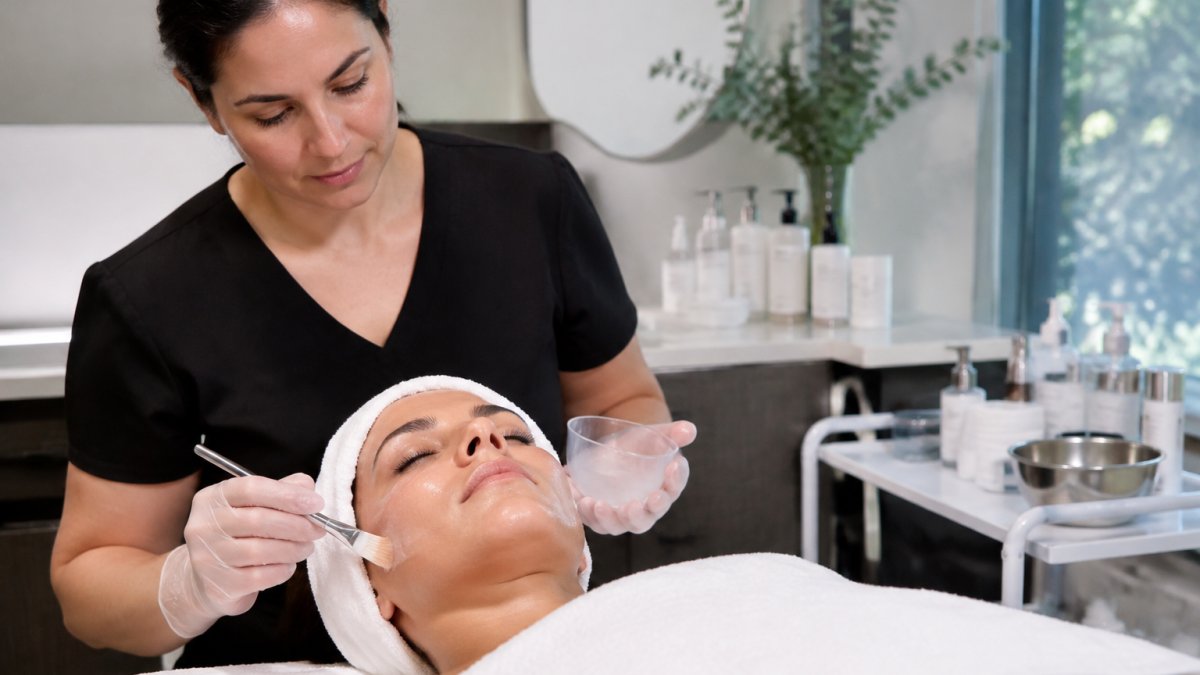
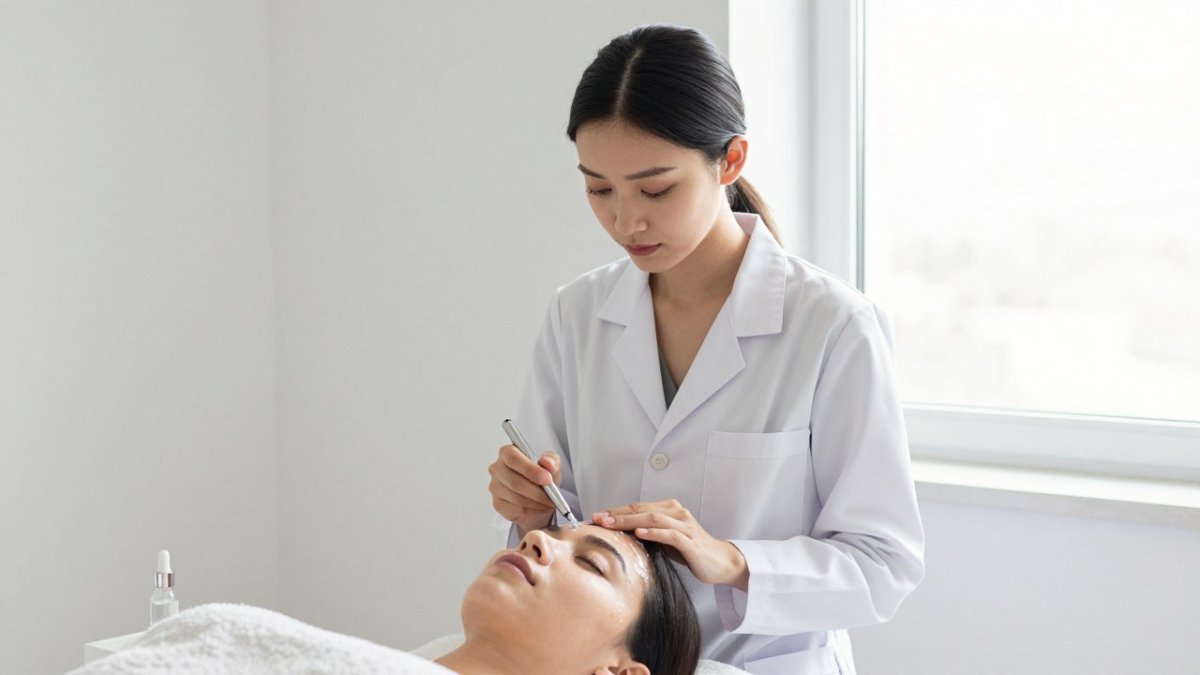
In your 40s, a combination approach usually makes more sense than relying on one treatment. Daily sun protection and a retinoid remain foundational. Many people add antioxidant serums, hydrating products that support the skin barrier, and professional options chosen with a clinician, such as chemical peels or certain light-based treatments, depending on skin type and goals. Injectable options exist for specific lines, and their suitability depends on facial anatomy and medical history.
Results vary, and no single treatment is best for everyone. A consultation helps match options to your skin, lifestyle and budget. Pricing depends on the treatment and what it includes, so ask for current pricing and what it covers at your appointment.
Building an Anti-Aging Skincare Routine That Supports Cellular Health
A consistent routine matters more than an expensive one. A simple morning routine might include a gentle cleanser, an antioxidant serum, a moisturizer and broad-spectrum SPF 30 or higher. In the evening, cleanse, apply a retinoid or other targeted active on alternating nights if your skin tolerates it, and follow with a moisturizer.
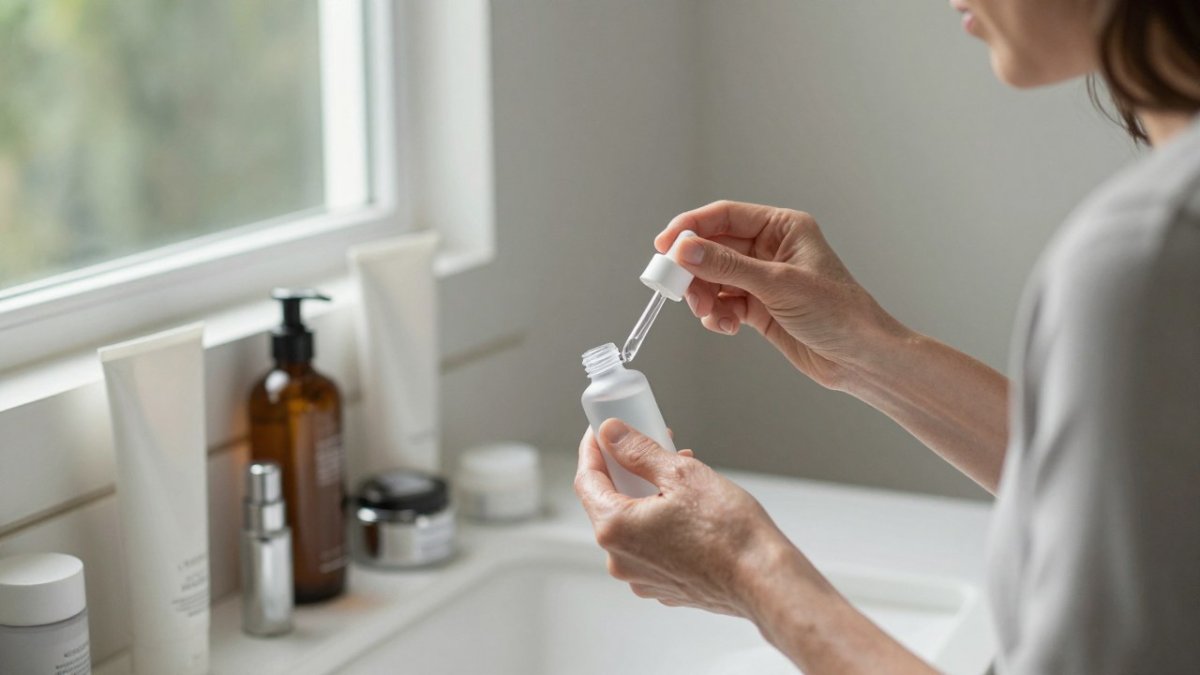
Results from topical products generally take several weeks to become noticeable, so judge a routine over several months rather than after a few weeks. For a daily checklist, see How to Maintain Youthful Skin Naturally: 7 Daily Steps. For guidance on choosing professional-grade products, see Medical-Grade Skincare for Wrinkles: What Actually Works.
How to Evaluate a Provider and Book Your First Consultation
Choosing a provider matters as much as choosing a treatment, and the evaluation should start before you book. A useful approach is to assess the offer on evidence quality, regulatory status, and marketing behavior.
Evidence quality. Ask what kind of evidence supports the specific treatment being recommended. Human clinical trials published in peer-reviewed journals carry more weight than laboratory studies, animal studies, testimonials, or before-and-after photos. A single small study is weaker than a systematic review.
Regulatory status. For devices, topicals, injectables, and regenerative products, ask whether the product is FDA-approved or FDA-cleared for the specific use being proposed. Approval and clearance are not the same thing, and neither one covers every off-label use. A provider should be able to explain the difference without deflecting. For prescription topicals such as retinoids, the active ingredient has a long research record even though individual formulations vary.
Testing and sourcing. For injectables and regenerative products, ask how the product is sourced, stored, and tested for sterility and potency. For energy-based devices, ask which device model is used, because results and safety profiles differ across platforms and settings. A clinic that cannot answer basic sourcing questions is a clinic to skip.
Marketing claims. Be cautious of guaranteed results, countdown pricing, pressure to buy a package on the spot, and claims that a treatment "reverses aging at the DNA level." Watch out: before-and-after photos that are heavily filtered, lit differently, or taken at different angles are marketing, not evidence. Ask whether the clinic uses standardized photography and whether results are typical or selected.
Measuring outcomes. Ask how the provider will measure whether the treatment worked. Options include standardized photography, skin elasticity or hydration measurements, and, for broader health claims, biomarkers or biological-age tests. Each has limitations: epigenetic clocks and other biological-age tests are research tools with meaningful uncertainty, and no single test defines biological age for every person. A provider who treats age reduction as a simple, guaranteed outcome is overselling.
Realistic timelines and durability. Topical retinoids typically take several months to show visible improvement, and benefits fade if use stops. Energy-based devices often produce results that build over weeks and may need maintenance. Ask how long the expected benefit lasts, what maintenance is required, and what happens if you stop.
Your first consultation should cover your skin or health goals, your medical history, the options that fit your situation, expected recovery, total cost, and the evidence behind each recommendation. You can ask whether medical-grade skincare is worth the cost for your situation, and what results are realistic. For a clear breakdown of that question, see Is Medical Skincare Worth the Cost? A Clear Breakdown.
Book a consultation with House of D, LLC to talk through your goals with a qualified professional.
Frequently Asked Questions
Does cellular therapy really work for anti-aging?
Some cell-based treatments have supporting clinical data for specific uses, but evidence for broad anti-aging effects is still limited. Benefits vary with the product, the method, and the person receiving it. Ask any provider for the published studies behind the treatment, check whether those studies used humans, and confirm the results were peer reviewed. Treat claims that promise reversal of aging or guaranteed results with skepticism, and discuss realistic expectations with a qualified clinician before committing money or time.
What is the difference between cellular rejuvenation and stem cell therapy?
Cellular rejuvenation is a broad term for approaches that aim to repair or renew cell function, including skincare ingredients, lifestyle habits, and medical procedures. Stem cell therapy is one specific category within that field, using cells that can develop into other cell types. Stem cell treatments are regulated differently from cosmetic products, and their safety and effectiveness depend on the specific product and clinical use. A consultation can clarify which category a proposed treatment belongs to.
How long might it take to notice changes from an anti-aging skincare routine?
Most topical skincare ingredients need several weeks of consistent use before changes in texture or fine lines become noticeable, and many dermatology sources describe a timeline of several weeks for visible change. Results vary with skin type, sun exposure, and the specific products used. Consistency matters more than intensity, and a provider can help set a realistic timeline for your goals.
Are stem cell anti-aging treatments safe and effective?
Safety and effectiveness depend on the specific treatment, the provider, and the person being treated. Possible risks can include infection, injection-site reactions, and unexpected immune responses. Stem cell products sold without FDA approval for the intended use carry additional uncertainty. Ask about the product's regulatory status, the provider's training, and what complications they have documented, and consider your own medical history before deciding.