 how-to
Signs You Need Professional Skincare, From an Esthetician
Last Updated: November 10, 2026
Quick Summary
Signs you need professional skincare include breakouts that keep returning in the same spots, dullness no moisturizer fixes, fine lines and texture changes, sudden dryness or oiliness, stinging or lingering redness, and stubborn dark spots. Professional skincare is care guided by a trained provider who assesses your skin and builds a treatment plan. See a dermatologist first for painful, cystic, or changing spots.
- Use a routine consistently for at least six weeks before judging whether it works.
- Pause extra actives and give skin two to three weeks to calm down before booking.
- Take photos in the same lighting every two to four weeks to track progress.
- Ask upfront about consultation fees and whether a fee is credited toward treatment.
- Redness with swelling, warmth, or pain needs medical care promptly, not a facial.
Table of Contents
- 1. Persistent Breakouts That Keep Coming Back
- 2. Dull, Tired-Looking Skin That No Moisturizer Fixes
- 3. Fine Lines and Textural Changes You Notice in Photos
- 4. Dryness, Flaking, or a Sudden Shift in Oiliness
- 5. Redness, Irritation, or Stinging: When Professional Skincare Is the Answer
- 6. Dark Spots, Discoloration, and Uneven Skin Tone
- Your Skincare Routine Is Not Working: How to Tell It Is Time to Change Course
- When to See an Esthetician and When to See a Dermatologist for Skin Concerns
- What Happens During a Professional Skincare Consultation
- Frequently Asked Questions
1. Persistent Breakouts That Keep Coming Back
If you are searching for signs you need professional skincare, start with breakouts that return in the same spots month after month. Over-the-counter washes and spot treatments can calm a pimple for a week, and then it may come back.
Professional skincare is care guided by a trained provider who assesses your skin and builds a treatment plan, rather than a single product picked off a shelf.
Recurring acne often has drivers that a cleanser cannot reach, such as clogged pores, excess oil, or irritation from harsh products.
Watch out: harsh scrubs and daily acid use can damage the skin barrier and make breakouts worse. If cysts are painful or leave scars, see a dermatologist.
2. Dull, Tired-Looking Skin That No Moisturizer Fixes
Dullness usually points to a buildup of dead skin cells and slow cell turnover, not a lack of moisturizer. When your at-home skincare stops delivering that fresh look, a professional facial can help reset the surface.
Signs to watch:
- Skin looks flat in photos even after sleep
- Makeup sits unevenly by midday
- Your usual brightening serum does nothing
A professional treatment may remove dead skin cells in a more controlled way than home exfoliation, and it gives a qualified provider a chance to check whether dryness or irritation is behind the dullness.
3. Fine Lines and Textural Changes You Notice in Photos
Fine lines and rough texture are among the most common reasons people book a professional skincare consultation. The change is gradual, so photos often show it before the mirror does.
Fine lines are small creases that appear where skin loses elasticity and moisture. Texture refers to how smooth or rough the surface feels.
In general, a fine-line plan can combine a routine that supports hydration with in-office treatments. For more detail, read this guide on how to treat early fine lines before they deepen. A qualified provider can match the plan to your skin type and the downtime you can accept.

4. Dryness, Flaking, or a Sudden Shift in Oiliness
A sudden change in how dry or oily your skin feels is a signal worth paying attention to. Flaking, tightness after cleansing, or midday shine that never used to happen can mean your skin barrier is stressed.
Common causes include:
- Over-cleansing or too many active ingredients
- Seasonal changes and indoor heating
- Hormonal shifts
A professional skin assessment can help distinguish dry skin from dehydrated skin, which may need different routines.
5. Redness, Irritation, or Stinging: When Professional Skincare Is the Answer
Stinging when you apply products, or redness that lingers after cleansing, suggests sensitivity or a damaged barrier. These are signs you need professional skincare rather than another product swap.
A qualified provider can help identify which active ingredients your skin tolerates and which to pause, and can refer you for medical care when a trigger needs it.
Watch out: redness with swelling, warmth, or pain is not a cosmetic issue. Seek medical care promptly.
6. Dark Spots, Discoloration, and Uneven Skin Tone
Hyperpigmentation and dark spots are stubborn by design. They sit deeper than surface cells, so brightening creams often fade them slowly or not at all.
Hyperpigmentation is excess pigment that shows as dark spots or uneven skin tone. It can follow sun exposure, breakouts, or inflammation.
Professional treatment plans often combine in-office care with daily sun protection and targeted actives. A qualified provider can also check that spots look benign and refer you if anything needs a closer look. For a deeper look at what medical-grade products can and cannot do, read our guide on medical-grade skincare for wrinkles.
Your Skincare Routine Is Not Working: How to Tell It Is Time to Change Course
Your skincare routine may not be working when you see no change after a consistent stretch of use, or when your skin feels worse than before. Many routines need several weeks before results can be judged, and actives like retinoids can cause a temporary adjustment period before improvement shows.
Use this checklist before you switch:
- Have I used the routine consistently for at least six weeks?
- Is my skin more irritated, not just unchanged?
- Am I layering too many active ingredients?
- Have recurring concerns stayed the same despite changes?
If you checked two or more boxes, it is reasonable to get a professional opinion. If cost is the sticking point, our breakdown of whether medical skincare is worth the cost answers that directly, and this guide on how long medical skincare takes to show results sets realistic timelines.
Separate 'not working' from 'working slowly.' A common pattern is that people abandon a routine right before it would have paid off, or switch products so often that the skin never settles. Before you book anything, simplify: pause extra actives, keep a gentle cleanser and moisturizer, and give your skin two to three weeks to calm down. If the concern persists after that reset, a professional assessment is more efficient than another product experiment.
Know when to skip the facial and see a doctor. Cosmetic concerns, dullness, texture, mild uneven tone, are reasonable starting points for an esthetician. But sudden changes, painful or worsening symptoms, spreading rashes, or a spot that is changing should go to a dermatologist first. A facial is not a diagnostic visit, and a provider who spots something concerning should refer you rather than treat it.
What a consultation actually costs you in time and money. A first visit generally involves a conversation about your skin and a close look at it. Ask any provider upfront about consultation fees, whether a fee is credited toward treatment, and how many sessions a plan typically involves, since these answers vary by provider and setting.
Track progress like a provider would. Take a photo in the same lighting at the same time of day every two to four weeks, and note any stinging, flaking, or new breakouts in a simple log. Bringing that record to a consultation gives the provider far more to work with than a memory of how your skin felt last month.
When to See an Esthetician and When to See a Dermatologist for Skin Concerns
An esthetician is a skin care professional who focuses on cosmetic concerns such as dullness, texture, and routine building. A dermatologist is a medical doctor who diagnoses and treats skin disease (the American Academy of Dermatology).
Choose based on what you are seeing:
| Concern | Esthetician | Dermatologist |
|---|---|---|
| Dullness, texture, fine lines | Yes | If unclear |
| Persistent breakouts | Sometimes | Yes, if cystic or scarring |
| Redness with pain or swelling | No | Yes, promptly |
| Suspicious or changing spots | No | Yes |
| Routine building and product guidance | Yes | Also qualified |
When in doubt, start with a consultation and let a qualified professional decide. If you are also weighing where to go, our comparison of a medical spa vs traditional facial spa can help you choose the right setting.
What Happens During a Professional Skincare Consultation
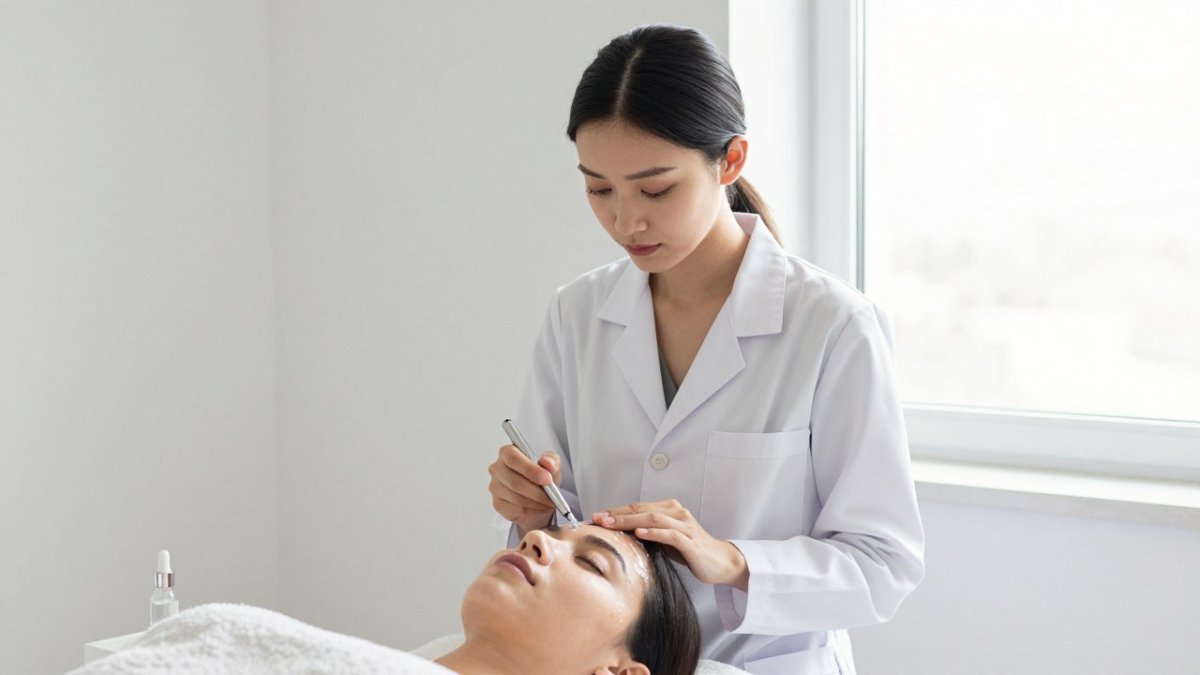
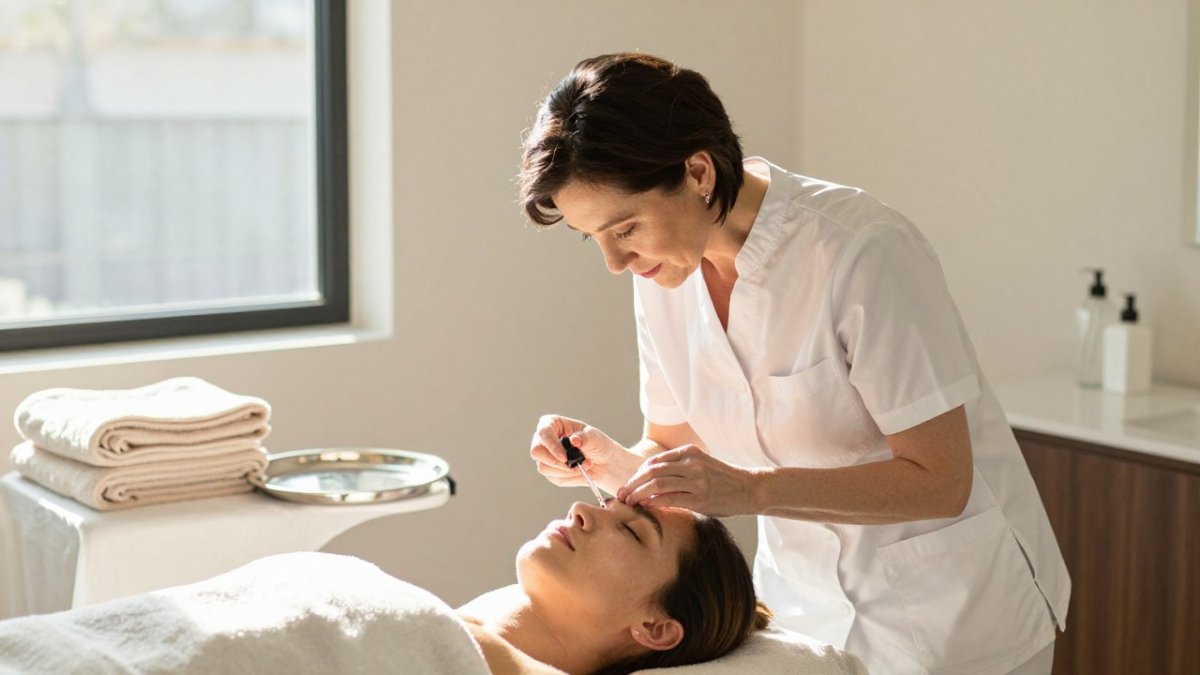
A first consultation is typically a conversation and a close look at your skin. You may be asked about your history, products, sun exposure, and goals, followed by a skin assessment under good lighting.
A consultation may leave you with a treatment plan covering what to use at home, what in-office care may help, and the risks or downtime involved. Ask about contraindications, especially if you are pregnant, nursing, or using prescription actives.
This is general information, not a diagnosis. A qualified provider decides what is right for your skin.
Recurring breakouts, dullness, fine lines, and stubborn dark spots rarely resolve with another bottle from the drugstore. They need a skin assessment and a plan built for your skin type. At House of D, LLC, we use medical-grade products and personalized wellness plans to help you address fine lines, wrinkles, and overall skin health, with care guided by your goals rather than guesswork. Get started with House of D, LLC and build a treatment plan that fits your skin and your schedule.
Frequently Asked Questions
How do I know if I need professional skincare or just a better at-home routine?
If your at-home routine has been consistent for several weeks and concerns like persistent breakouts, dullness, or dark spots are not improving, professional skincare may be worth exploring. The clearest signs are recurring concerns that return after each product switch, texture that feels rough despite exfoliation, or irritation that flares whenever you try active ingredients. A professional skin assessment can help identify your skin type and barrier condition. Start with a consultation rather than guessing at another product line.
When should I see a dermatologist instead of an esthetician for skin concerns?
See a dermatologist for anything that could be medical: a changing mole, a sore that will not heal, sudden widespread breakouts with pain or fever, or rashes that spread. Dermatologists are physicians who diagnose and treat skin disease and can prescribe medication. Estheticians handle cosmetic concerns like dullness, clogged pores, and uneven tone through professional facials and medical-grade product plans. Many people see both, and a good esthetician will refer you to a dermatologist when something falls outside cosmetic care.
What should I expect at a professional skincare consultation?
Expect a skin assessment first: your esthetician or provider reviews your history, current product routine, medications, and sun exposure, then examines your skin under magnification. You will discuss your concerns and goals, and they will explain which professional treatments and medical-grade products fit your skin type and budget. Ask about realistic timelines, since visible results can take several weeks and some concerns may need a series of sessions. Come with your current products or a list of them so the plan builds on what already works.
Can professional skincare help with acne, fine lines, or uneven skin tone?
Yes, professional skincare addresses all three, though results vary by concern and skin type. Professional facials and skincare products may help with clogged pores and recurring breakouts, and results for fine lines and hyperpigmentation generally develop over time. Dark spots and discoloration typically need consistent sun protection alongside treatment. Ask your provider for a realistic timeline during your consultation.